Citizens Energy Group has proposed a booster station and two 1.5-million-gallon storage tanks in Hendricks…
Lilly’s Lebanon Campus Explained: Three Facilities, Three Different Missions
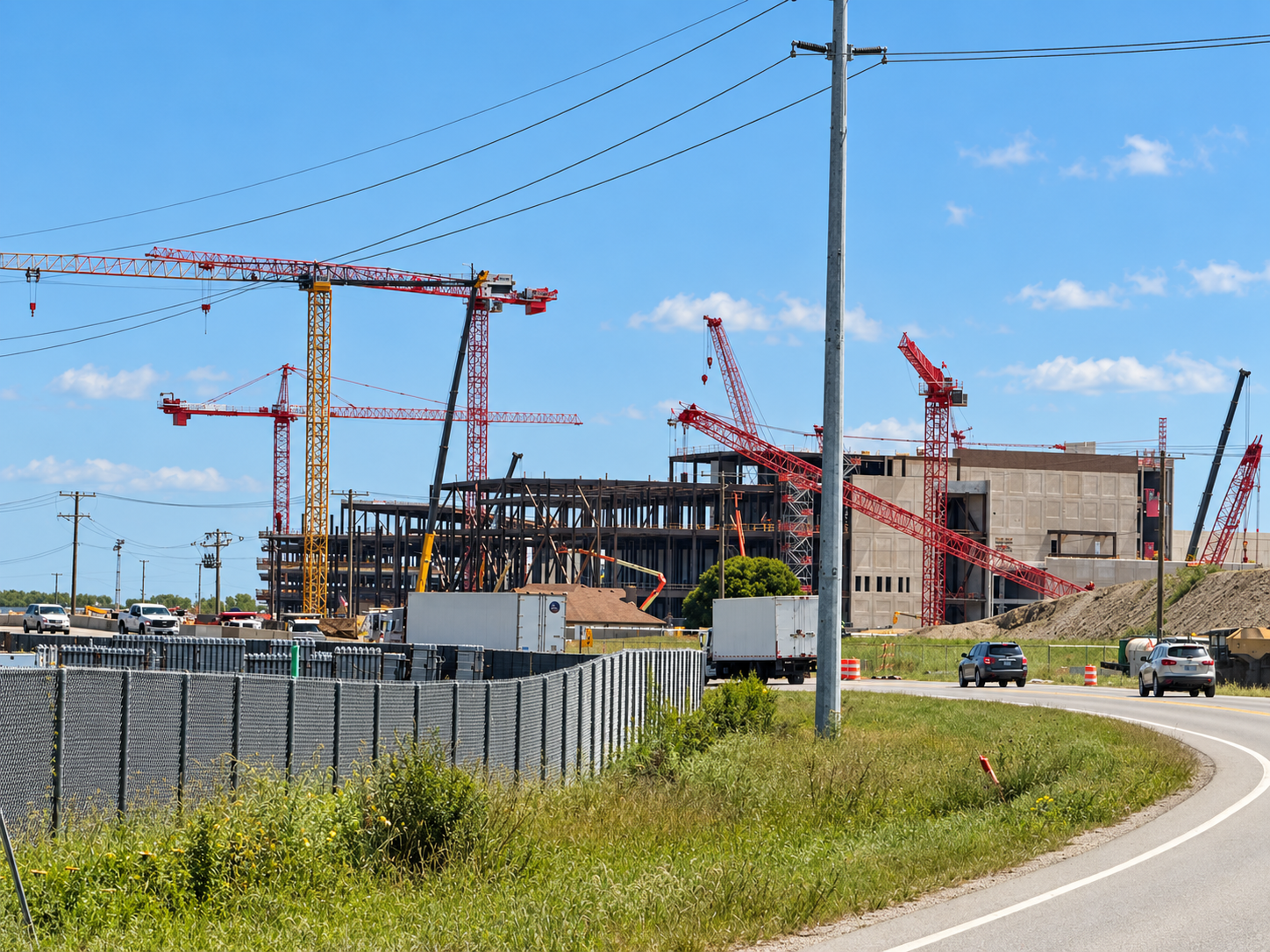
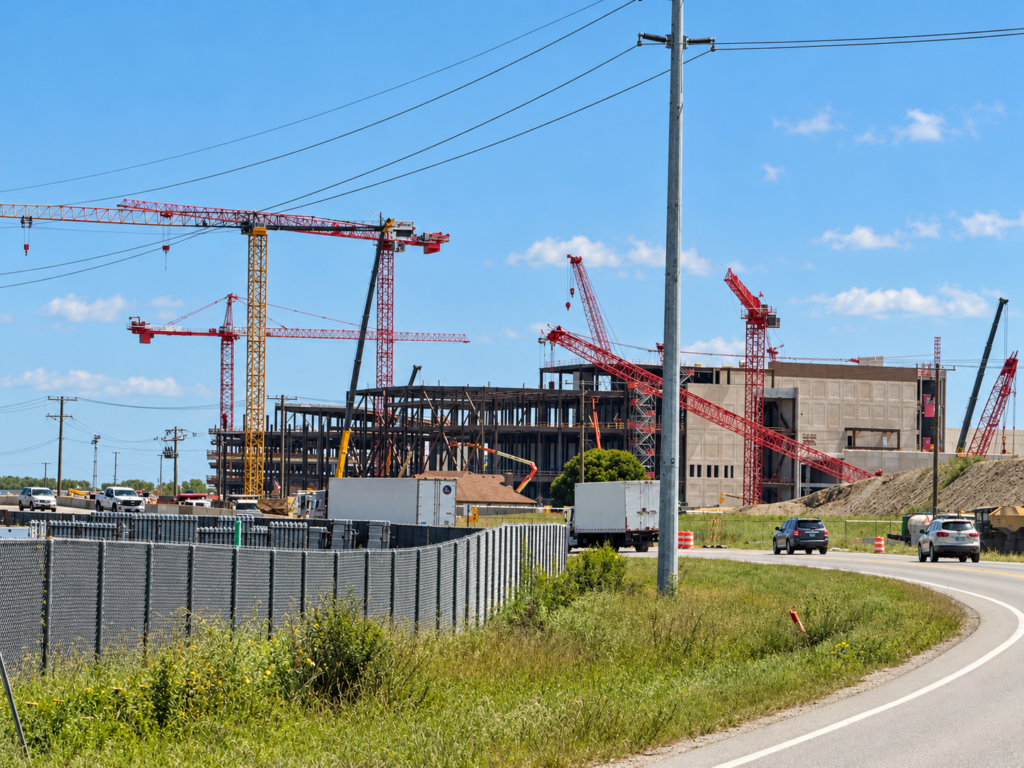
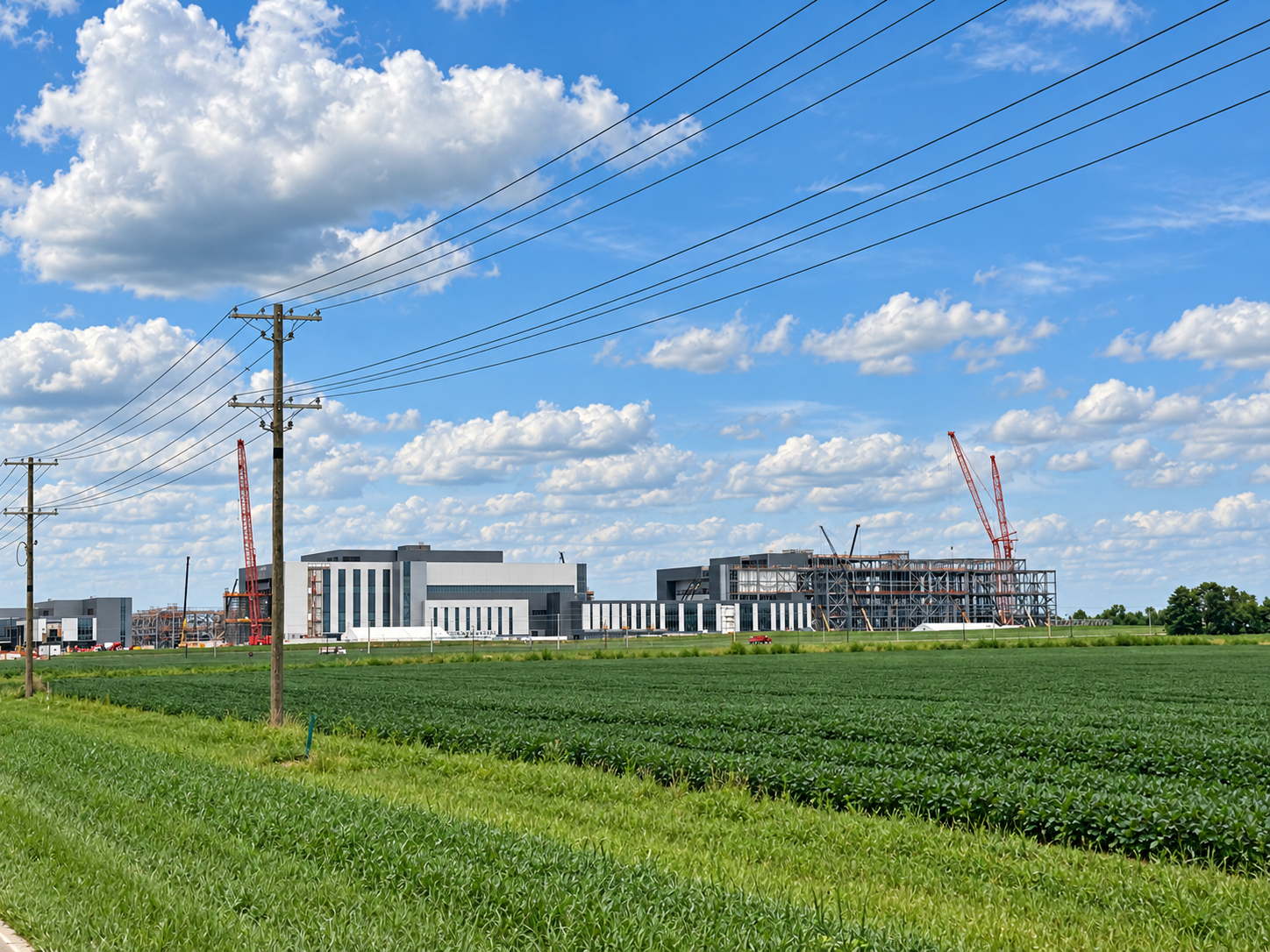
Drive along I-65 near Lebanon and it is easy to think of Lilly’s sprawling construction area as one enormous project. In reality, the company is developing three distinct facilities within the LEAP Innovation District – and each one will play a different role in how new medicines are developed and manufactured.
One facility is already operating. Another is expected to open in 2027. The third is designed to help experimental medicines move from the laboratory into clinical trials more quickly.
Here is what is taking shape!
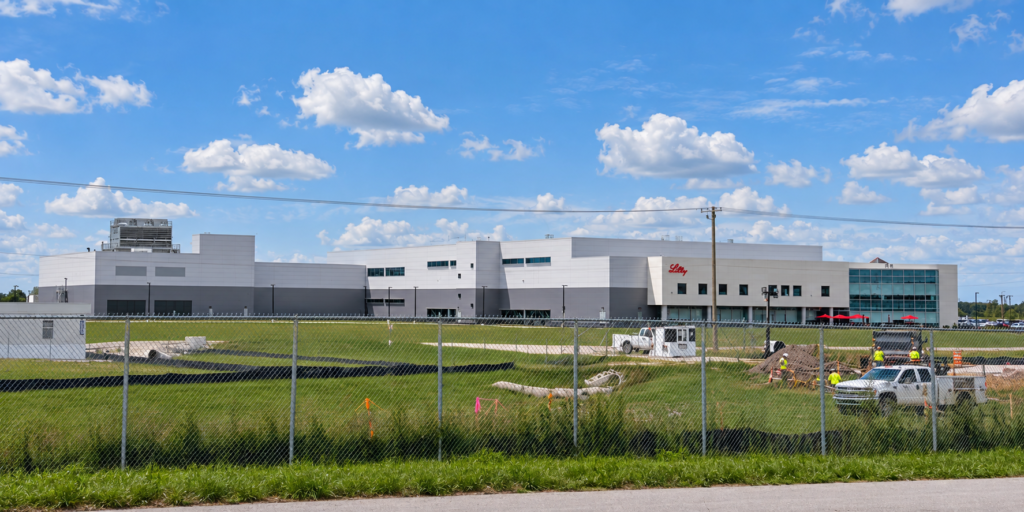
1. Lilly Lebanon Advanced Therapies
Lilly Lebanon Advanced Therapies officially opened in May 2026, becoming the first of Lilly’s three planned Lebanon facilities to begin operations.
The facility is dedicated to advanced and genetic medicines. Unlike many traditional medications that manage symptoms, genetic medicines are designed to target diseases closer to their biological source.
The Lebanon facility will support both clinical and commercial production, meaning it can manufacture therapies being studied in clinical trials as well as approved medicines produced on a larger scale.
It is also Lilly’s first manufacturing facility devoted specifically to genetic medicines.
2. Lilly Lebanon API
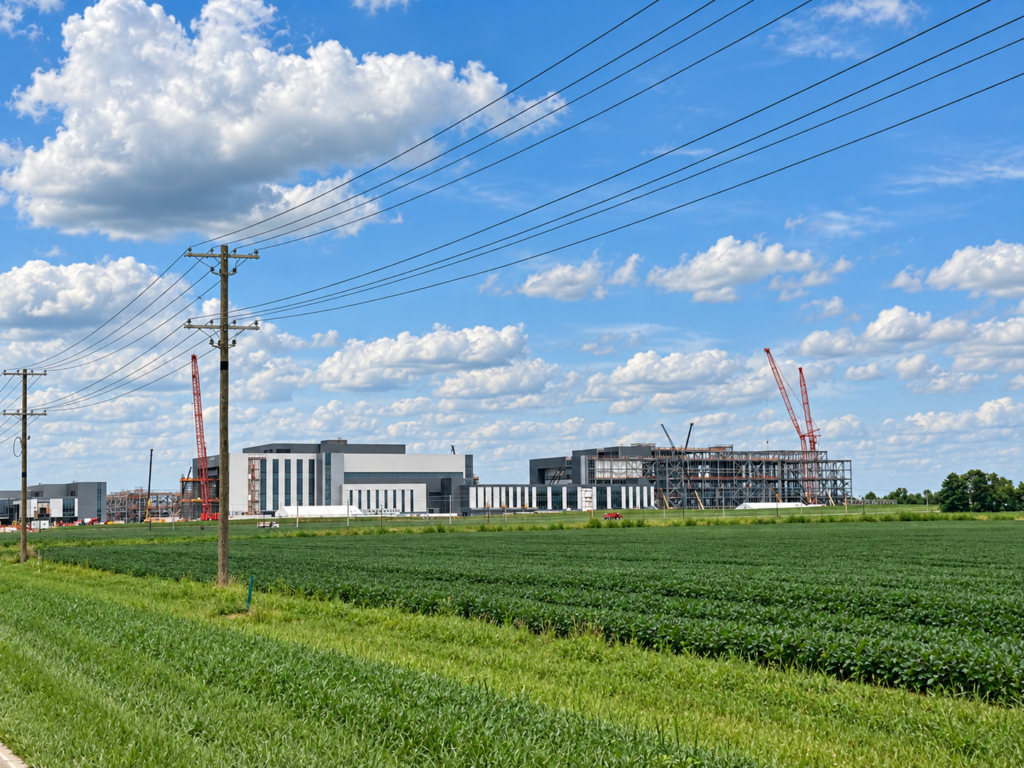
The largest and perhaps most visible portion of the Lebanon campus is Lilly’s active pharmaceutical ingredient facility, commonly referred to as the API site.
An active pharmaceutical ingredient is the part of a medicine that produces its intended effect. Before a tablet, capsule or injectable treatment can be packaged and delivered to patients, its active ingredient must first be manufactured under carefully controlled conditions.
Lilly expects the Lebanon API facility to open in 2027. The company has described it as what will become the largest API manufacturing site in the United States.
The plant will help produce ingredients for Lilly medicines, including treatments connected to the company’s growing portfolio of metabolic and chronic-disease therapies.
For Lebanon residents, this portion of the campus is also likely to be associated with many of the jobs traditionally connected to large-scale manufacturing: production operators, mechanics, engineers, laboratory personnel, quality-control professionals, utilities employees and logistics workers.
3. The Lilly Medicine Foundry
The Lilly Medicine Foundry is different from a conventional production plant.
Its purpose is to bring research, process development and manufacturing together in one location. When scientists discover a promising new medicine, they still must determine how to manufacture it safely, consistently and at a scale large enough for clinical trials.
The Foundry is intended to help solve that problem.
According to Lilly, the facility will work with several types of therapies, including small molecules, biologics and genetic medicines. By developing better manufacturing methods earlier in the process, Lilly hopes to shorten the time required to supply investigational medicines for clinical trials.
The $4.5 billion facility is scheduled to open in late 2027 and is expected to create hundreds of highly skilled jobs. Lilly is already advertising Lebanon opportunities connected to its startup and future operations.
What This Means for Lebanon
For the past several years, much of the local conversation surrounding LEAP has focused on land, infrastructure and construction. The opening of Lilly Lebanon Advanced Therapies marks the beginning of a new phase: portions of the district are transitioning from construction projects into permanent workplaces.
That transition will not happen all at once. Construction will remain a major presence as the API facility and Medicine Foundry move toward their anticipated 2027 openings. At the same time, hiring and startup work are already underway.
The jobs appearing in Lebanon are also broader than the phrase “pharmaceutical manufacturing” might suggest. Current and recent Lilly listings have included production operators, mechanics, engineers, automation specialists, scientists, quality-assurance professionals and transportation or material-handling positions. Some production roles require specialized industry experience, while others emphasize technical or mechanical backgrounds rather than advanced scientific degrees.
Together, the three facilities represent a progression:
- Advanced Therapies manufactures complex genetic medicines.
- The API facility produces the active ingredients used in medicines.
- The Medicine Foundry develops better ways to manufacture promising new treatments and prepare them for clinical trials.
From the highway, it may still look like one vast construction site. Behind the cranes, however, three very different operations are beginning to take shape – and the first is already at work.
Related Posts

Comments (0)